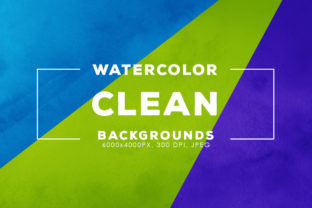
30 Clean Watercolor Backgrounds
As an embroidery designer and product reviewer, I’ve seen my fair share of digital designs. But when I came across 30 Clean Watercolor Backgrounds, I knew it had potential for a wide range of projects. The first thing that caught my eye was the soft, airy feel of the watercolor style—perfect for adding a touch of elegance without overwhelming the design. These backgrounds are clean, versatile, and have a subtle personality that can work in many different settings.
The First Impression: Mood and Visual Personality
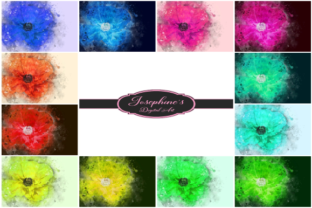
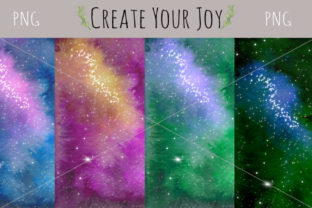
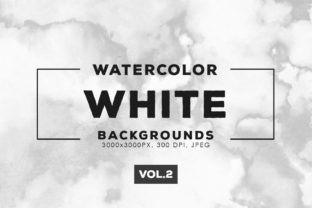
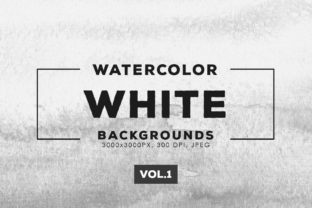
Opening the file, I immediately noticed the variety of shapes and layouts. Each background has a unique composition, but they all maintain a cohesive aesthetic. The color palette is muted and soothing, with gentle gradients and soft edges. This makes them ideal for projects that need a delicate touch, like baby items, holiday gifts, or personalized home decor.
The level of detail is just right—not too busy, not too simple. It allows for flexibility in embroidery, whether you’re using a satin stitch fill or a more intricate running stitch pattern. These backgrounds would work well as a base for applique designs or as a decorative element on their own.
Real-World Embroidery Use Cases
I tested 30 Clean Watercolor Backgrounds on several fabric types and project types to see how they performed. On a standard cotton tote bag, the design looked fresh and modern. The soft watercolor effect didn’t clash with the fabric texture, and the stitch density was manageable. For a custom sweatshirt, the design added a nice contrast without being too bold.
On baby clothes, the backgrounds were perfect. They provided a gentle, non-intrusive look that parents would appreciate. For a personalized gift, like a pillow cover or tea towel, the design gave the finished product a handmade quality that feels authentic and thoughtful.
These backgrounds also worked well for commercial embroidery projects. Whether it was a boutique brand’s logo placement or a craft fair booth item, the designs had enough visual appeal to catch attention without needing additional embellishments.
Where to Be Careful: Limitations and Considerations
While 30 Clean Watercolor Backgrounds are beautiful, they aren’t suitable for every project. On small hoop sizes, the details can get lost. If you’re working on a patch or a cap, you’ll need to adjust the design to fit the space properly. Thin or stretchy fabrics might make the stitching less visible, so testing on scrap fabric is essential.
Dark fabrics can be a challenge too. The soft watercolor tones may not show up well against black or deep navy. In those cases, you might want to adjust the thread colors or use a contrasting hue. Similarly, if you’re planning to add lettering or other elements, make sure the background doesn’t interfere with readability.
For dense stitch areas or curved surfaces like caps, the design might require some tweaking. The watercolor effect can sometimes look flat if not handled correctly. Using the right stabilizer and adjusting the stitch density will help maintain the integrity of the design.
Impact on Visual Appeal and Customer Perception
One of the biggest advantages of 30 Clean Watercolor Backgrounds is how they elevate the visual appeal of any finished product. Whether it’s a custom apparel piece or a printable mockup, these backgrounds add a professional touch that customers recognize. They create a sense of quality and care, which is crucial for handmade products and small business merchandise.
From a customer perspective, these backgrounds are highly desirable. They offer a unique, artistic look that stands out in a crowded market. As an Etsy seller or craft business owner, using these designs can help differentiate your products from others. They also make great options for holiday or wedding gifts, where the visual impact matters a lot.
Brand consistency is another key benefit. If you’re building a collection of embroidered items, having a set of backgrounds that match your aesthetic helps reinforce your brand identity. This is especially important for boutique products and commercial embroidery projects.
Practical Designer Notes
Before using 30 Clean Watercolor Backgrounds in your own projects, there are a few things to keep in mind. Always test the design on scrap fabric first. This helps you understand how the stitches will look on your chosen material and whether the thread colors contrast well.
Check the stitch density. Some watercolor effects may require a higher number of stitches, which could affect the overall look and feel of the finished product. Make sure the hoop size is appropriate for the design, and consider using a proper stabilizer to prevent puckering or distortion.
If you’re planning to sell finished items or digital products, confirm the licensing terms. Even though these backgrounds are clean and versatile, it’s important to know what you can and cannot do with them. For personal use, they’re a great addition to your embroidery library, but for commercial projects, always double-check the permissions.
Finally, don’t forget to review the design in black and white mockups. This helps you see how it will look on different fabric colors and ensures that the details remain clear. Comparing light and dark backgrounds can also help you decide which thread colors work best for your specific project.
Final Thoughts: A Versatile Addition to Your Design Library
After using 30 Clean Watercolor Backgrounds in various real-life embroidery scenarios, I can confidently say they are a valuable asset for any designer or craft business. Their soft, elegant style makes them suitable for a wide range of projects, from custom apparel to personalized gifts and commercial embroidery.
They may not be the most complex designs, but their simplicity is their strength. They allow for creativity while maintaining a professional finish. Whether you’re an experienced embroiderer or just starting out, these backgrounds offer a reliable and stylish option for your next project.