Red Indigo Flowers: A Bold Illustration for Editorial and Web Design
As an experienced blog designer and digital publisher, I’m always on the lookout for graphic design assets that elevate content without overshadowing it. Red Indigo Flowers caught my attention immediately with its striking color contrast and organic form. This illustration is more than just a decorative element—it’s a visual anchor that can enhance brand identity, improve click-through potential, and support a wide range of editorial and web publishing needs.
Eliciting Mood and Niche Relevance
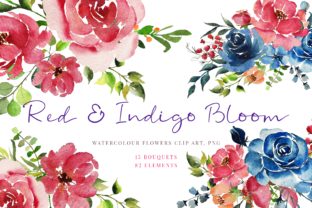
The first thing that stands out about Red Indigo Flowers is its emotional resonance. The deep indigo tones suggest sophistication and calm, while the bold red blooms inject energy and warmth. Together, they create a mood that’s both artistic and approachable. This balance makes the asset feel lifestyle-focused yet modern enough to suit a variety of niches, including wellness, floral design, interior aesthetics, and even fashion or beauty editorial work.
I see this illustration fitting well in blogs and websites that want to convey creativity and natural elegance. It naturally supports seasonal content—especially fall and winter themes—and could be used to evoke a sense of luxury or botanical interest. If your content leans towards soft minimalism or bohemian style, this illustration adds just the right amount of decorative flair without feeling cluttered.
Real Publishing Applications
Red Indigo Flowers has proven itself versatile across different publishing platforms. Here are some practical use cases where it shines:
- Blog Featured Images: Use it as a background or overlay in featured images for posts about self-care, mindfulness, or seasonal decor.
- Pinterest Graphics: Its high-contrast colors and organic shapes make it ideal for Pinterest pins that need to stand out in a crowded feed.
- Article Headers: Incorporate it into headers for guides, tutorials, or listicles to add a touch of personality while maintaining professionalism.
- Newsletter Banners: Create visually engaging newsletter headers by pairing it with clean typography and subtle gradients.
- Category Thumbnails: Assign it to lifestyle or home-related categories to build visual consistency and reinforce theme recognition.
- Downloadable Resources: Add it to worksheets, printables, or lead magnets to give them a polished and creative edge.
- Canva Templates: This illustration works beautifully within Canva templates for social media posts, email campaigns, or promotional banners.
Supporting Content Performance
Incorporating Red Indigo Flowers into your content marketing strategy can have tangible benefits. For starters, the illustration improves the first impression of your visuals, which is crucial for engagement. Readers often decide whether to continue reading based on how an image feels before they read a single word.
Its structured yet flowing design helps establish a clearer visual hierarchy, especially when paired with minimalist layouts. Whether you’re designing a hero image for a landing page or a banner for a digital guide, this illustration adds depth and draws the eye toward key elements like headlines or call-to-action buttons.
From a branding perspective, using Red Indigo Flowers consistently across your site and social channels can help solidify your visual identity. Over time, readers will associate those rich, layered petals with your content style, increasing reader trust and reinforcing your brand identity.
It also enhances category recognition by providing a recurring motif that ties together related content. In affiliate marketing or product promotion, this kind of consistency can significantly boost click-through potential and perceived quality.
Where to Place Red Indigo Flowers for Maximum Impact
This illustration performs best in situations where visual storytelling is important. Consider using it in these key areas:
- Hero Images: As a full-width header or background for blog posts or landing pages.
- Article Thumbnails: When scaled appropriately, it can serve as an eye-catching thumbnail for blog archives or post previews.
- Social Media Previews: Especially for Instagram, Facebook, or Pinterest, where aesthetics play a major role in user engagement.
- Editorial Accents: Insert smaller versions of the illustration to break up text and guide the reader through longer articles.
- Content Upgrades: Pair it with a downloadable PDF or worksheet to increase perceived value and conversion rates.
- Media Kits: Use it as part of your brand’s visual toolkit for sponsors or collaborations.
Use with Caution in These Contexts
While Red Indigo Flowers is powerful, there are scenarios where it might not perform as well:
- Small Mobile Thumbnails: The intricate details may get lost at smaller sizes, reducing its impact.
- Text-Heavy Blog Images: Avoid placing too much text over the illustration unless you test for readability and contrast.
- Low-Contrast Backgrounds: The design thrives against neutral or white backgrounds; dark or busy ones may mute its vibrancy.
- BUSY Layouts: Use it sparingly in already complex designs to prevent visual overload.
- Serious Professional Niches: While adaptable, it may not fit corporate or highly technical environments unless balanced with more formal elements.
Practical Publisher Tips for Using Red Indigo Flowers
To ensure that Red Indigo Flowers delivers optimal results, here are a few actionable steps every digital publisher should take:
- Test on Desktop and Mobile Screens: How it looks on a large monitor versus a smartphone can vary greatly.
- Check Thumbnail Quality: Zoom it down to see if it still conveys the same message and aesthetic appeal.
- Preview in a Real Blog Layout: See how it interacts with fonts, spacing, and other design elements in your actual content setup.
- Pair with Different Fonts: Try it beside serif, sans-serif, script, handwritten, and display fonts to find the perfect match for your tone.
- Review File Size: Large illustrations can slow down website performance. Optimize it using tools like TinyPNG or Photoshop’s export settings.
- Confirm Commercial Licensing: Before using it on monetized sites, affiliate pages, or paid digital products, verify that the commercial license allows such use.
Enhancing Brand Consistency with Creative Design
One of the biggest challenges in content publishing is maintaining a cohesive brand identity. Red Indigo Flowers offers a unique opportunity to do just that. By using variations of the illustration across your website, from article headers to newsletter footers, you can craft a unified look that strengthens your creative design presence.
For small business branding efforts, especially in creative industries like flower arranging, event planning, or artisanal crafts, this illustration brings a level of refinement that aligns with professional standards while remaining warm and inviting.
Why This Illustration Belongs in Your Design Toolkit
In the world of web design, a strong visual system is essential for standing out. Red Indigo Flowers isn’t just another graphic design asset—it’s one that supports your message and enhances your content marketing efforts. From editorial layouts to digital downloads, it adds a layer of artistry that elevates the overall look of your projects.
When used thoughtfully, this illustration can become a signature element of your visual brand. Whether you’re working on a Canva template for social media graphics or creating a digital guide for your audience, it brings a sense of intentionality and care that resonates with readers.
Final Thoughts for Digital Publishers
Graphic design assets like Red Indigo Flowers are invaluable in content publishing because they bridge the gap between creativity and functionality. They don’t just look good—they communicate mood, build trust, and contribute to a stronger brand identity. That’s why I recommend testing it in multiple formats and ensuring it complements your existing design language.
If you’re looking to inject a little more life into your blog graphics or editorial visuals, this illustration is a compelling choice. Just remember to keep its scale, placement, and context in mind to maintain clarity and effectiveness across all platforms.