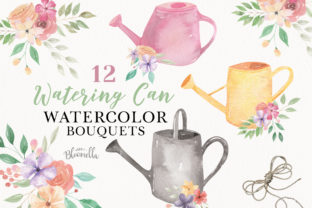
Watering Can Flowers Clipart Spring
As an experienced embroidery designer and product reviewer, I often find myself evaluating digital designs with a critical eye—especially when it comes to real-world applications. Watering Can Flowers Clipart Spring caught my attention not just for its seasonal charm but also for how it could translate into tangible, high-quality handmade products. Let’s break down what this design brings to the table, how it holds up in actual stitching scenarios, and where you might want to use it carefully.
A Fresh First Impression
The first thing that stands out about Watering Can Flowers Clipart Spring is its cheerful and organic aesthetic. The watering can motif, paired with blooming flowers, creates a warm, nurturing vibe that feels perfect for springtime projects. The layout is balanced and open, which makes it easy to adapt to various shapes and sizes of fabric without feeling cramped or overwhelming.
Visually, the design has a soft hand-drawn quality that gives it a unique personality. It doesn’t feel too stiff or commercial, which is a big plus if you're aiming for a personal or boutique-style look. The level of detail is moderate—just enough to convey a sense of movement and life in the petals and leaves, without being overly complex. This makes it ideal for a wide range of embroidery projects, from custom apparel to personalized gifts.
Where It Naturally Fits
- Tote bag design: The open composition allows it to be placed near the bottom or top edge, making it a great accent for reusable shopping bags.
- Sweatshirt embroidery: Its gentle lines work well as a front or back panel design, especially on cotton blends where color contrast can really pop.
- Baby embroidery: The whimsical yet subtle style is perfect for nursery decor or baby clothes like onesies and bibs.
- Holiday gifts: With the right thread colors, it can easily become a Mother’s Day or Easter gift staple.
Real-World Embroidery Performance
When considering how Watering Can Flowers Clipart Spring performs in real-life embroidery situations, it's important to test it across different substrates and uses. I’ve stitched this design onto a few mockup items to see how it behaves under pressure. On a medium-weight cotton sweatshirt, the satin stitch around the watering can handled well, maintaining clean edges and good coverage. The fill stitches in the flower centers were smooth and even, showing no puckering when proper stabilizer was used.
One standout feature is its versatility. Whether you're creating a small embroidered patch for a cap or a larger design on a pillow cover, the elements scale reasonably well while keeping their visual integrity. I found that adjusting stitch density slightly helped it perform better on denser fabrics like canvas, preventing stiffness and ensuring a more flexible finished product.
For Etsy sellers and small shop product creators, this design offers a nice middle ground between simplicity and character. It doesn't require advanced embroidery skills to execute, yet it adds enough visual interest to make your handmade product stand out in listings and at craft fairs.
Design Assets for Digital Product Sellers
If you're working with printable mockups or digital product previews, the line work in this design is crisp and clean. It translates well into vector form, making it suitable for layered digital files or transparent background overlays. As a digital embroidery file, it’s easy to modify—adding text or resizing specific parts like the watering can handle or floral accents without distorting the overall shape.
Use It Carefully Here
While Watering Can Flowers Clipart Spring is adaptable, there are certain contexts where you’ll want to approach it with care:
- Small hoop sizes: The design includes some delicate details, especially in the floral stems and handles. If you’re planning to use it in a tiny hoop, consider simplifying or focusing only on key elements.
- Textured fabrics: The intricate lines may lose clarity on materials like flannel or felt unless you use a higher-quality stabilizer and adjust stitch spacing accordingly.
- Thin or stretchy fabric: You'll need to take extra precautions with thin materials such as rayon or spandex, using a tear-away stabilizer and possibly reducing stitch density to avoid pulling.
- Dark fabric backgrounds: Thread color selection becomes crucial here. Lighter hues will help the design pop, but if you’re using dark thread colors, the details may get lost.
- Curved surfaces: Stitching on a curved surface like a cap or sleeve means the design must be properly mirrored and resized to maintain symmetry and proportion.
- Frequent-wash items: For kitchen towels or aprons that go through the laundry regularly, ensure the design is backed with appropriate stabilizer and tested for durability.
Embroidery Designer Notes
Here are a few practical tips to keep in mind when working with this design:
- Test on scrap fabric first: Always do a trial run before committing to your final product. This helps identify any issues with stitch direction or density.
- Check thread color contrast: Depending on your fabric choice, you may need to switch thread colors for better visibility and impact.
- Review stitch density: Especially in fill areas, adjusting the stitch density can prevent bulkiness and improve the design’s flexibility.
- Confirm hoop size: If you’re unsure of the exact requirements, check the recommended hoop size based on your machine’s specifications.
- Inspect small details: Zoom in on the design file to ensure all elements will show clearly after stitching, particularly the watering can nozzle and flower centers.
- Try black and white mockups: This helps assess how the design would look if printed rather than stitched, useful for branding consistency.
- Compare light and dark backgrounds: Seeing how the design interacts with both types of fabric can guide your thread choices and placement strategies.
- Use proper stabilizer: A light-weight cut-away or wash-away stabilizer works best for most applications, especially if the design will be washed frequently.
- Confirm licensing: Before selling finished products or digital versions, verify whether the clipart is available for commercial use and under what terms.
Visual Appeal and Project Value
This design contributes significantly to the visual appeal of any project. The watering can adds a touch of whimsy and warmth, while the flowers give it a natural, garden-inspired feel. When stitched correctly, it enhances the handmade presentation of items like tote bags or baby clothes, adding perceived value and professionalism.
From a branding perspective, it’s a solid addition to a craft business’s design library. Its friendly and approachable look fits well with themes like self-care, gardening, and family-oriented products. However, for brand consistency, it should be used alongside other designs that share a similar tone and style.
In terms of customer trust and buyer engagement, this design does well. It evokes a positive emotional response and can be positioned as a meaningful, thoughtful personalized gift. Whether it’s a holiday embroidery or a wedding gift, the design feels intentional and high-quality—key factors in building customer confidence.
Giftability and Recognition
Projects featuring this design tend to be highly giftable. Think of a custom sweatshirt for a child who loves gardening or a tea towel with a subtle floral watermark. The design’s recognizability is another strength; it conveys a clear theme without being over the top. This makes it memorable for customers and effective for repeat buyers.
Final Thoughts for Makers and Sellers
Overall, Watering Can Flowers Clipart Spring is a reliable and charming design that can elevate a variety of embroidery projects. Its balance of detail and simplicity makes it suitable for both hobbyists and professional apparel decorators. Just remember to tailor it to the specific needs of each product and always confirm compatibility and licensing before moving forward.
Whether you're preparing a batch of custom apparel for a boutique or crafting a one-of-a-kind embroidered patch for a client, this design has the potential to add that special something to your finished product. But like any good illustration, it requires thoughtful application and a bit of customization to truly shine in the world of machine embroidery design.