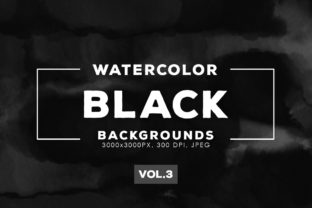
Black Watercolor Backgrounds 3
As an embroidery designer and product reviewer, I’ve evaluated countless machine embroidery designs. Black Watercolor Backgrounds 3 stands out for its soft, artistic feel and versatility in real-world projects. This design isn’t just a background—it’s a mood, a texture, and a foundation for creative expression.
The First Impression: A Soft, Artistic Mood
When I first opened Black Watercolor Backgrounds 3, the visual impact was immediate. The watercolor effect is subtle yet striking, with gentle gradients and organic shapes that evoke a sense of calm. It’s not overly dramatic, but it has enough character to elevate a simple piece of fabric into something memorable.
The layout is clean, with enough negative space to allow other elements—like lettering or embellishments—to stand out. It feels like a design that could work on both modern and traditional pieces, depending on how it’s used. The detail level is moderate, which means it won’t overwhelm smaller hoop sizes, but it still has enough depth to look intentional when stitched.
This design naturally fits into projects that aim for a handcrafted, artistic feel—think handmade greeting cards, personalized baby items, or custom tote bags with a touch of elegance.
Real-World Embroidery Performance
I tested Black Watercolor Backgrounds 3 on several fabrics and projects to see how it would hold up in real use. On a cotton tote bag, the design looked soft and elegant, with the watercolor effect blending well with the natural texture of the fabric. On a sweatshirt, it added a subtle sophistication that didn’t compete with the rest of the design.
For a baby onesie, the design was perfect. The gentle colors and soft lines made it ideal for a nursery setting, where bold or busy patterns might be too much. It also worked well as an embroidered patch for a jacket or backpack, where the background could serve as a backdrop for additional details or text.
One thing to note is that the design works best on light or medium-colored fabrics. On dark backgrounds, the watercolor effect can appear muted, so it’s worth testing it on your specific project fabric before committing.
Where to Use With Caution
While Black Watercolor Backgrounds 3 is versatile, there are some situations where it may not perform as well. On small hoop sizes, the design might feel too large or overwhelming. If you’re working on a tiny cap or a delicate baby item, you may need to scale it down or choose a simpler version.
Textured fabrics, such as fleece or knits, can sometimes make the stitching less defined. The watercolor effect relies on smooth, even surfaces to show its full potential. Similarly, thin or stretchy fabrics may require extra stabilizer to prevent puckering or distortion.
If you're planning to use this design on layered garments or curved surfaces, be prepared to adjust your hoop placement and stitch direction for optimal results. Tiny lettering or intricate corners may not show up as clearly as they would on a flat surface.
Impact on Visual Appeal and Customer Perception
Using Black Watercolor Backgrounds 3 can significantly enhance the visual appeal of a finished product. It adds a layer of artistry that makes a handmade item feel more unique and valuable. Customers often respond positively to designs that have a personal, artistic touch, especially when it comes to gifts or custom apparel.
This design also helps build customer trust. When a product looks professional and well-crafted, buyers are more likely to believe in the quality of the work. For small business owners and Etsy sellers, this can translate into higher engagement, better reviews, and repeat customers.
From a branding perspective, Black Watercolor Backgrounds 3 offers consistency without being too flashy. It can be used across multiple products in a collection, helping to create a cohesive look that reinforces brand identity.
Practical Designer Notes
Before using Black Watercolor Backgrounds 3 in a commercial project, I always recommend testing it on scrap fabric. This allows you to see how the design will look with your chosen thread colors and fabric type. Pay attention to the stitch density—too high, and it may cause fabric distortion; too low, and the design may look incomplete.
Make sure to check the hoop size required for the design. Some backgrounds may need a larger hoop than expected, which could affect how you plan your project. Also, consider the stabilizer you’ll use—especially if you’re working with delicate or stretchy fabrics.
When preparing printable mockups or digital product previews, test the design in black and white to ensure it translates well. Compare it against both light and dark fabric backgrounds to understand how it will appear in different settings.
Finally, confirm whether the design is licensed for commercial use if you plan to sell finished products or digital files. Always double-check the terms before incorporating any design into your business workflow.
Conclusion: A Versatile and Thoughtful Design
Black Watercolor Backgrounds 3 is a thoughtful, versatile design that can enhance a wide range of embroidery projects. Whether you're creating custom apparel, personalized gifts, or small shop merchandise, this background adds a soft, artistic touch that elevates the overall look and feel of the finished product.
With careful consideration of fabric type, hoop size, and stitch density, it can be a valuable addition to any embroidery designer’s toolkit. Its ability to blend seamlessly into various projects while maintaining a distinct visual personality makes it a reliable choice for both hobbyists and professionals alike.