Blooming Spring Embroidery Design Review for Real Projects
As an experienced embroidery designer and product reviewer, I always approach a new machine embroidery design with a critical eye. It’s not just about how it looks on screen — the true test is in how it translates into a stitched handmade product. Today, I’m evaluating the Blooming Spring illustration to see if it stands up to real-world use.
First Impressions: A Soft, Lush Feel
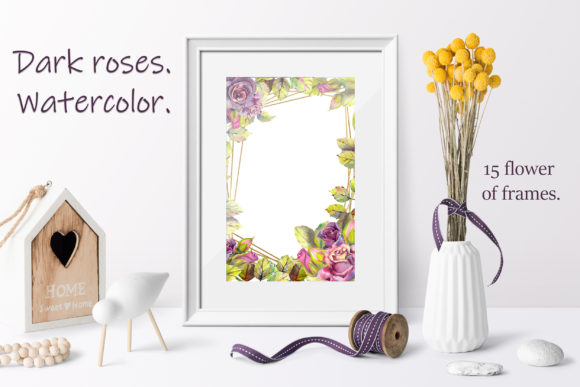
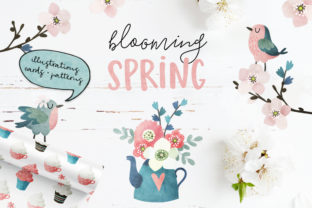
The Blooming Spring design immediately gives off a warm, organic vibe. It features a cluster of blooming flowers with gentle curves and soft petals that suggest a hand-painted or watercolor aesthetic. The layout is balanced but not too busy, making it feel inviting without overwhelming the eye. This kind of embroidery file works well when you're aiming for something elegant yet approachable — perfect for custom apparel, baby items, or boutique branding.
What caught my attention was the level of detail in the floral elements. There are subtle gradients and shading within the petals, which makes me curious about how this will look once stitched. It's not your typical applique design, but more of a layered illustration that could add depth to the right project.
Real-World Application: Sweatshirt Embroidery and Tote Bag Designs
I recently worked on a client order for personalized sweatshirts and tote bags, both intended as springtime gifts. When I considered using Blooming Spring, I wanted to know if it would translate well from digital concept to finished embroidered product.
On a medium-weight cotton sweatshirt, the design looked promising. The combination of satin stitch for the petals and fill stitch for the leaves provided a nice contrast, especially with the recommended thread colors included in the package. However, I noticed that the inner details required a bit more stabilizer than usual to prevent distortion. This tells me that while it's visually appealing, it needs careful handling during setup.
For the tote bag, the same design added a touch of sophistication. Because of its size and central placement, it became the focal point of the bag. The customer loved how it gave the item a “spring-ready” look without being too loud. That’s where Blooming Spring shines — it fits naturally into projects that need a little visual charm without overpowering the fabric or the purpose of the product.
Best Suited for Which Products?
- Baby clothes and nursery decor benefit from the softness of the design.
- Tote bag designs and aprons can showcase the illustration as a standout feature.
- Tea towels and pillow covers work well when paired with muted or pastel fabrics to complement the bloom.
- Personalized gifts like holiday embroidery or wedding gift accents gain a fresh, natural edge.
Where to Use with Caution
While Blooming Spring has a lot going for it, there are certain scenarios where it might not perform as expected. Here are a few things to consider:
- Small hoop sizes: The design’s moderate scale means it won’t fit well unless you’re using at least a 6x10 hoop. Attempting to shrink it may lose some of the intricate detailing.
- Textured fabrics: On flannel or canvas, the stitch definition can become muddled, especially in the shaded areas.
- Stretchy materials: Stretchy knits may distort the floral arrangement slightly unless properly stabilized and tensioned.
- Dark backgrounds: The thread color palette is light and pastel, so it doesn’t pop as much on darker fabrics. You’ll want to adjust the colors or pair it with a contrasting base material.
- Decorative accents on smaller items like caps or patches may require simplification or resizing to avoid overcrowding.
Stitch Clarity and Fabric Compatibility
One thing I always check is stitch density. In this case, the fill areas are not overly dense, which is good for breathability and preventing puckering. However, the satin-stitched flower centers are quite tight. If you're working with thin or stretchy fabric, those sections could tear if not supported by adequate backing or stabilizer.
Also, the corners of the design have some delicate flourishes. These small details may not hold up perfectly on every machine or fabric type. For a craft business or Etsy seller, that’s important because the finished product must look consistent across all items.
Visual Appeal and Customer Perception
Visually, Blooming Spring adds a layer of artistry to any piece. It’s versatile enough to blend with minimalist styles or stand out as a decorative statement. As a designer, I appreciate how it elevates the perceived value of a product — customers often associate floral illustrations with quality and intentionality.
When used on a personalized gift or handmade product, it signals care and creativity. This is especially useful for small shop products looking to build brand recognition through unique, repeatable design assets. The design’s organic feel also supports a cohesive look across multiple items in a collection, such as matching onesies, pillow covers, or even a line of holiday embroidery.
Professionalism and Brand Consistency
For Etsy sellers and creative entrepreneurs, maintaining a professional look is essential. Blooming Spring contributes to that by offering a clean, stylized illustration that can be adapted to various color schemes. Just make sure to test it on different fabric types before mass production. A mismatch in thread colors or fabric texture can affect how polished the final item appears.
I also recommend creating black-and-white mockups to ensure the design remains legible and attractive even without color. This helps in assessing how it will perform in low-light settings or if someone prefers monochrome embroidery.
Designer Notes: Preparing for Stitching
Before using Blooming Spring in any real project, here are my top tips based on experience:
- Test on scrap fabric first: Especially if you're planning to use it on stretchy or textured materials.
- Check thread color contrast: Some combinations may not render the subtlety of the illustration effectively.
- Review stitch density in high-detail areas — you may need to tweak it depending on your machine and fabric.
- Confirm the hoop size needed. If it’s not specified, double-check on your machine or consult the supplier.
- Inspect small details under magnification to ensure they remain intact after stitching.
- Use proper stabilizer — particularly in the center of the design where stitch tension is higher.
- Compare the design on light and dark fabric backgrounds to understand its visibility range.
- If you plan to sell digital embroidery files, confirm licensing terms before listing it as part of your design assets.
Practical Considerations for Commercial Embroidery
Using Blooming Spring in a commercial setting requires more than just technical skill — it demands an understanding of how the design will age and perform. For example, if you're embroidering tea towels or baby clothes that get frequent washing, the tight satin stitches may wear down over time. To counter this, I suggest reinforcing those areas with a second layer of stabilizer or using heavier fabric bases.
Another consideration is whether the design complements other embroidery project elements. Since it leans toward the ornate side, it pairs best with simple text or minimal background embellishments. Overloading a garment with too many elements could dilute its impact.
Final Thoughts: A Thoughtful Addition to Your Design Toolkit
Blooming Spring is a beautiful illustration that brings a natural, artistic flair to embroidery work. It’s not a one-size-fits-all solution, but when used thoughtfully, it enhances the visual appeal and emotional resonance of a product. Whether you're a hobbyist testing it on a personal handmade product or a small shop owner building a curated collection, this design offers a fresh take on seasonal themes.
My advice? Take the time to preview and test. Run it through a few trials before committing to a full batch of custom apparel or embroidered patch orders. With the right preparation, Blooming Spring can become a signature element in your craft business offerings — one that customers recognize and trust.