Sitting Cat Embroidery Design: A Practical Review for Real Projects
First Impressions and Visual Personality
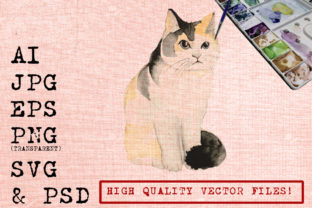
When I first opened the digital embroidery file for Sitting Cat, it was clear that this illustration had a distinct charm. The cat is rendered in a soft, stylized form—rounded edges, gentle curves, and expressive eyes that give it an approachable, almost whimsical character. It doesn’t scream for attention but rather invites a sense of warmth and familiarity. This kind of design naturally lends itself to products where personality matters more than boldness, such as baby clothes, personalized gifts, or boutique branding.Real-Life Use Cases for Sitting Cat
In my line of work, I often look at how a design like Sitting Cat can translate across different materials and purposes. Here are a few scenarios where it shines:- Baby apparel: The cat’s gentle expression and soft lines make it perfect for onesies, bibs, or even nursery wall art. It adds a personal touch without being overwhelming.
- Tote bags: Placed near the top seam or centered on a cotton canvas tote, it becomes a subtle statement piece. Its size allows for placement flexibility while maintaining visual clarity.
- Embroidered patches: As an applique-style design, Sitting Cat could be stitched onto felt or woven fabric and sewn onto denim jackets, backpacks, or hats for a charming accessory.
- Holiday gifts: Think of custom holiday pillows, ornaments, or tea towels with the cat subtly embroidered. It has a universal appeal that fits many festive themes.
- Etsy listings and handmade items: For makers selling sweaters, aprons, or decorative pillow covers, this design can elevate their product’s aesthetic while keeping it relatable and appealing to buyers looking for unique, artisanal touches.
Design Performance Across Materials and Applications
What really matters in embroidery isn’t just how a design looks digitally—it’s how it performs when stitched. Sitting Cat handles most standard fabrics quite well, especially mid-weight cotton blends. On darker backgrounds, the thread color contrast needs to be intentional; lighter thread colors pop better here. For white or pastel fabrics, you have more flexibility with thread shades. - The use of both satin stitch and fill stitch gives depth to the ears and body while keeping the paws and tail clean and defined.Where to Use with Caution
While Sitting Cat is versatile, there are certain situations where extra care is needed:- Small hoop sizes: If you’re stitching this on a tiny patch or a child's cap, some details may get lost. Always test the design at your intended scale before mass production.
- Textured or stretchy fabrics: The design relies on smooth stitch execution for its visual appeal. Stretchy knits or thick terrycloth could distort the shape if not properly stabilized.
- Dark fabric backgrounds: You’ll want to ensure the thread colors are bright enough to stand out. Consider using metallic threads or increasing the contrast between elements for better visibility.
- Dense stitch areas: The fur-like texture on the body uses fill stitches that could become stiff if not managed correctly. Using tear-away stabilizer or light topping stabilizer helps keep the fabric flexible after washing.
- Products needing frequent washing: Dense stitching may lead to wear over time. This is something to consider if the final item will be used daily, like a kitchen towel or baby clothing.
Visual Appeal and Customer Engagement
From a customer perspective, Sitting Cat brings a sense of comfort and nostalgia. It’s not too kawaii, not too cartoonish—just right. The simplicity of the illustration means it won’t date quickly, making it a good long-term asset for your craft business or Etsy shop. In terms of product value, this design elevates any item it’s applied to by adding a handcrafted feel. It enhances handmade presentation and contributes to brand consistency if you're building a line of pet-themed or cozy-inspired goods.Designer Notes and Best Practices
As a seasoned embroiderer, I always start with a few key steps when evaluating a new machine embroidery design like Sitting Cat:Test it on scrap fabric first. Especially if you plan to use it on delicate or stretchy materials, seeing how it behaves under tension is crucial.
Check thread color contrast. Don’t assume the default colors will suit every background. Run black-and-white mockups to evaluate how the design will look in grayscale, then adjust accordingly.
Review stitch density. High-density areas can cause stiffness or damage to thin fabrics. Adjust the stitch count slightly if needed, especially around the body where fill stitches are concentrated.
Confirm hoop size. While the design is compact, resizing it too much can compromise quality. Stick to the recommended minimum and maximum dimensions if available.
Inspect small details. The cat’s whiskers and inner ear lines are delicate and may require special handling on textured or layered garments. Test them on fabric swatches to ensure they remain visible and clean after stitching.
Use proper stabilizer. Depending on the fabric type, a combination of cutaway and tear-away stabilizers can help maintain shape and prevent distortion.
Check licensing before selling finished items. Since this is a digital embroidery file, verify whether the license permits commercial use. Some designs come with restrictions that could affect your ability to sell the finished product.